
اسمارٹ گلاسز : خواتین کی خفیہ ویڈیوز کیخلاف اہم اقدام
چلتی ٹرین کے ساتھ مسافر کے گھسٹنے کی لزرہ خیز ویڈیو
ڈاکٹروں کا انوکھا کارنامہ، مریض کی ٹوٹی ہوئی ٹانگ پر پلاسٹر کے بجائے گتا باندھ دیا
نوجوان لڑکوں کو لوٹنے والی لٹیری دلہن فرضی رشتے داروں سمیت گرفتار، طریقہ واردات بھی سامنے آگیا
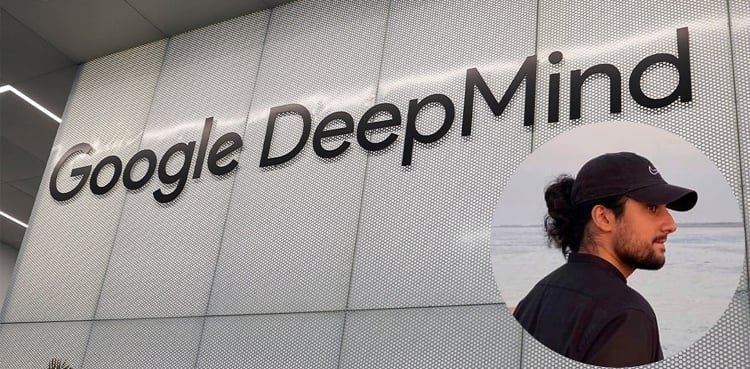
گوگل ڈیپ مائنڈ کے سابق محقق بلال چغتائی نے دنیا کو مصنوعی ذہانت (اے آئی) کے ممکنہ خطرات اور اس کی تباہ کاریوں سے خبردار کردیا۔
سماجی رابطے کی ویب سائٹ ایکس پر اپنے پیغام میں انہوں نے بتایا کہ مستقبل قریب میں یہ ٹیکنالوجی انسانیت کیلئے انتہائی سنگین خطرہ بن سکتی ہے۔
گوگل ڈیپ مائنڈ کے سابق ملازم بلال چغتائی نے دنیا کو خبردار کرتے ہوئے بتایا کہ یہ ٹیکنالوجی مستقبل میں تمام انسانوں کی ہلاکت کا سبب بن سکتی ہے اور اس خطرے سے بچنے کے لیے دنیا کے پاس وقت تیزی سے کم ہوتا جا رہا ہے۔
اپنی ایکس پوسٹ میں بتایا کہ انہوں نے حال ہی میں گوگل ڈیپ مائنڈ سے استعفیٰ دیا ہے، جہاں وہ مصنوعی عمومی ذہانت (اے جی آئی) کی حفاظت اور ’الائنمنٹ‘ سے متعلق تحقیق پر کام کر رہے تھے۔
I recently resigned from Google DeepMind, where I worked on AGI safety and alignment research. At Google, I witnessed AI development first hand. I too am extremely concerned by the default trajectory of this technology. I earnestly believe that AI has the potential to kill us all, and that we might be running out of time to avoid this outcome. The pace of AI progress in the past few years has been staggering. When I first started working on AI in early 2022, AIs were amusingly useless. Just four years on, AI agent swarms from OpenAI are cracking famous century-old math problems and, more worryingly, escaping the control of OpenAI and autonomously hacking into the third-party company HuggingFace, against anyone’s wishes. Things will only get crazier: I think it’s possible that the AI companies might, in the next few years, succeed in building superintelligent AI systems that far exceed human capabilities in every domain. I am not confident that these AI systems will do what we want. In particular, misaligned superintelligences may, much like the rogue AI agents involved in the HuggingFace incident, escape our control and take dangerous actions that may result in the permanent disempowerment or death of humanity. Alignment is the problem of preventing this, and is both difficult and unsolved. Our present understanding of how to train AI systems that deeply want what we want is extremely rudimentary. Worse, we are not on track to solve alignment in time: frontier AI capabilities are improving much faster than our understanding of AI alignment. I am optimistic that navigating AI safely is possible. In order to do so, we need to coordinate to avoid this manic race between AI companies. We need to pace AI development to a speed that society can handle, where emerging risks can be addressed before extreme harm is realised. We need much more transparency into AI development to ensure that AI companies are not imposing unacceptable levels of risk on us all. More broadly, we need many more people thinking carefully about the problem of making AI go well. It is, in my view, the most important problem facing humanity this century, and the stakes are immense. I’m very directly working on this next: I want to help people interested in working on mitigating catastrophic AI threats do the most effective work that they can. I think many people from many backgrounds in many roles have a part to play. — bilal 🔶 (@bilalchughtai_) September 14, 2026
I recently resigned from Google DeepMind, where I worked on AGI safety and alignment research. At Google, I witnessed AI development first hand. I too am extremely concerned by the default trajectory of this technology. I earnestly believe that AI has the potential to kill us all, and that we might be running out of time to avoid this outcome.
The pace of AI progress in the past few years has been staggering. When I first started working on AI in early 2022, AIs were amusingly useless. Just four years on, AI agent swarms from OpenAI are cracking famous century-old math problems and, more worryingly, escaping the control of OpenAI and autonomously hacking into the third-party company HuggingFace, against anyone’s wishes.
Things will only get crazier: I think it’s possible that the AI companies might, in the next few years, succeed in building superintelligent AI systems that far exceed human capabilities in every domain. I am not confident that these AI systems will do what we want. In particular, misaligned superintelligences may, much like the rogue AI agents involved in the HuggingFace incident, escape our control and take dangerous actions that may result in the permanent disempowerment or death of humanity. Alignment is the problem of preventing this, and is both difficult and unsolved. Our present understanding of how to train AI systems that deeply want what we want is extremely rudimentary. Worse, we are not on track to solve alignment in time: frontier AI capabilities are improving much faster than our understanding of AI alignment.
I am optimistic that navigating AI safely is possible. In order to do so, we need to coordinate to avoid this manic race between AI companies. We need to pace AI development to a speed that society can handle, where emerging risks can be addressed before extreme harm is realised. We need much more transparency into AI development to ensure that AI companies are not imposing unacceptable levels of risk on us all.
More broadly, we need many more people thinking carefully about the problem of making AI go well. It is, in my view, the most important problem facing humanity this century, and the stakes are immense. I’m very directly working on this next: I want to help people interested in working on mitigating catastrophic AI threats do the most effective work that they can. I think many people from many backgrounds in many roles have a part to play.
— bilal 🔶 (@bilalchughtai_) September 14, 2026
ان کا کہنا تھا کہ وہ سنجیدگی سے سمجھتے ہیں کہ اے آئی میں پوری انسانیت کو ختم کرنے کی صلاحیت موجود ہے اور ممکن ہے کہ اس انجام سے بچنے کے لیے دستیاب وقت محدود ہوتا جارہا ہو۔
بلال چغتائی کے مطابق مصنوعی ذہانت کو محفوظ انداز میں آگے بڑھانے کا راستہ موجود ہے تاہم اس کیلئے اے آئی کمپنیوں کے درمیان جاری تیز رفتار مقابلے کے بجائے باہمی تعاون کی ضرورت ہے، دنیا کو مصنوعی ذہانت کی ترقی کی ایسی رفتار درکار ہے جسے معاشرہ سنبھال سکے۔
یاد رہے کہ بلال چغتائی نے جولائی 2026 میں کمپنی سے استعفیٰ دیا تھا ان کا یہ بیان ایسے وقت میں سامنے آیا ہے جب دیگر نامور ماہرین کی جانب سے بھی ایسے ہی خدشات کا اظہار کیا جا رہا ہے جو انتہائی تشویشناک ہے۔
اس کے علاوہ گزشتہ ہفتے اینتھروپک کے محقق جیکب کوکسون نے بھی استعفیٰ دینے کے بعد کہا تھا کہ ان کے فیصلے کی ایک وجہ یہ بھی تھی کہ اے آئی تیار کرنے والے بعض افراد سنجیدگی سے سمجھتے ہیں کہ یہ ٹیکنالوجی رواں دہائی کے اختتام تک پوری انسانیت کے لیے تباہ کن ثابت ہوسکتی ہے۔
اس بیان کے بعد اینتھروپک کے سائنس دان ایون ہوبنگر نے بھی کوکسون کی بات سے اتفاق کرتے ہوئے کہا تھا کہ ان کا مؤقف درست ہے۔ ہوبنگر کے مطابق وہ سمجھتے ہیں کہ آئندہ ایک دہائی کے دوران اے آئی کے ہاتھوں تمام انسانوں کے ختم ہوجانے کا امکان 10 فیصد سے زیادہ ہے۔
غیر قابو اے آئی ایجنٹس صرف 6 ماہ میں انٹرنیٹ پر قبضہ کرسکتے ہیں، اینتھروپک کے سربراہ نے خبردار کر دیا